
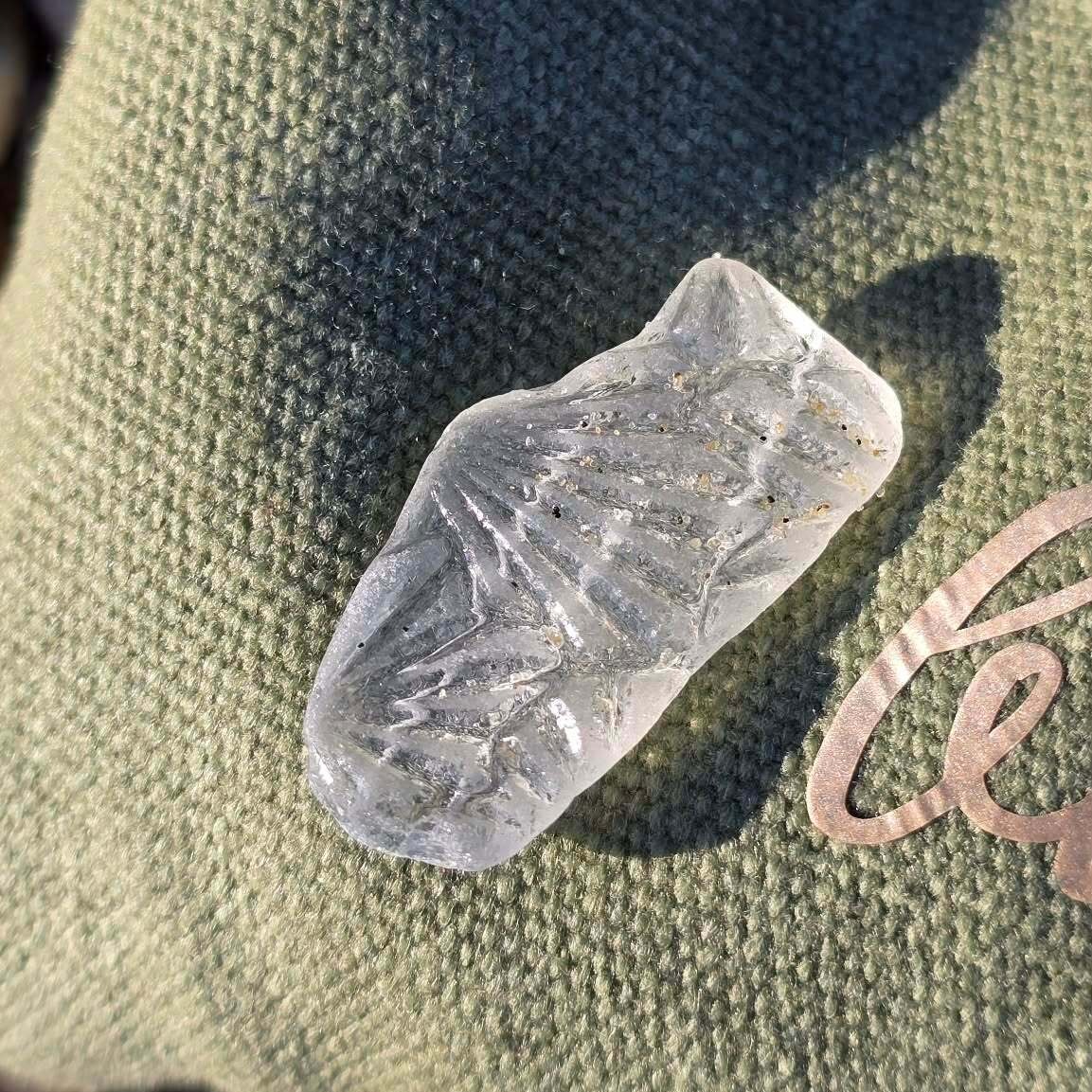
There’s something rather magical about finding a piece of seaglass on the beach. You never quite know what you’re going to find. Perhaps a tiny piece of frosted green glass hiding amongst the pebbles, a beautiful piece of blue, or one of those especially exciting pieces of seafoam or cobalt blue that make you stop and take a second look.
Living on the Isle of Wight, I’m lucky enough to have some beautiful beaches right on my doorstep, and beachcombing for seaglass has become a big part of my inspiration for creating my handmade pieces. But how much do you actually know about seaglass? Here are 10 things you might not know about these little treasures from the sea.
1. Seaglass started life as something completely different. That beautiful frosted piece you find on the beach wasn’t originally seaglass at all! Most seaglass began life as a glass bottle, jar, drinking glass or another glass object that eventually ended up in the sea. Over many years, the waves and sand slowly transform it into the smooth, frosted pieces we find today.
2. It can take many years to become properly frosted. Seaglass doesn’t become smooth and frosted overnight. It can take many years of being tossed around by waves, sand and stones before the sharp edges disappear and that lovely frosted surface develops. Some pieces can be much older than you might expect, making every little fragment a tiny piece of history.
3. Some colours are much harder to find than others. If you’ve ever been beachcombing, you’ll probably have noticed that some colours seem to appear much more often than others. Clear, brown and green glass are relatively common, while colours such as blue, turquoise, pink, red and orange can be much harder to find. That’s what makes finding an unusual colour so exciting! There’s nothing quite like spotting a tiny flash of bright blue amongst a beach full of ordinary-looking pebbles.
4. The colour can give you clues about its past. The colour of a piece of seaglass can sometimes give us clues about what the original glass object may have been. For example, brown glass was commonly used for beer bottles, while green glass has been used for wine and other bottles. Of course, you can’t always tell exactly where a piece came from just by looking at it, but it’s lovely to imagine the journey it might have taken before eventually arriving on the beach.
5. Every piece is completely unique. This is one of my favourite things about working with seaglass. No two pieces are exactly the same. Each one has its own shape, colour, texture and level of frosting. Even pieces that look similar will have their own little differences. When I create something using seaglass, I’m not just working with a craft material—I’m working with something that has already had its own journey.
6. The Isle of Wight is a wonderful place for beachcombing. Being surrounded by the sea means the Isle of Wight has plenty of opportunities for finding seaglass. Different beaches can produce completely different finds, depending on the local conditions, tides, currents and the history of the area. For me, part of the fun is never knowing what you might discover. A walk along the beach can turn into a little treasure hunt!
7. Not all glass found on the beach is seaglass. This is something that can be surprisingly difficult to tell when you’re starting out. Freshly broken glass can sometimes look similar to seaglass, but genuine seaglass usually has a distinctive frosted appearance and smooth, naturally worn edges. The longer a piece has spent being tumbled by the sea, the more weathered and frosted it generally becomes.
8. Some pieces can tell a story. One of the things I love most about seaglass is wondering where it came from. Imagine finding a piece of glass that may have once been part of a bottle used decades ago. Who used it? Where did it come from? How did it end up in the sea? We’ll probably never know the answers, but that’s part of the charm. Every piece carries a little mystery with it.
9. Seaglass doesn’t have to stay on the beach. Although I love finding seaglass simply for the joy of discovering it, I also love giving it a new lease of life. I use pieces of seaglass in my handmade coastal artwork, combining them with other materials to create unique decorations and pictures. Rather than hiding these little treasures away in a jar, I can turn them into something that can be enjoyed every day.
10. The best thing about seaglass is the memories it creates. For me, seaglass isn’t just about the finished craft. It’s about the beach walks with my family, the searching, the excitement of spotting something unusual and the memories attached to the places where each piece was found. That’s why I love incorporating locally collected seaglass into my work. Every finished piece has a little bit of the coast in it—and, hopefully, a little bit of that seaside magic too.
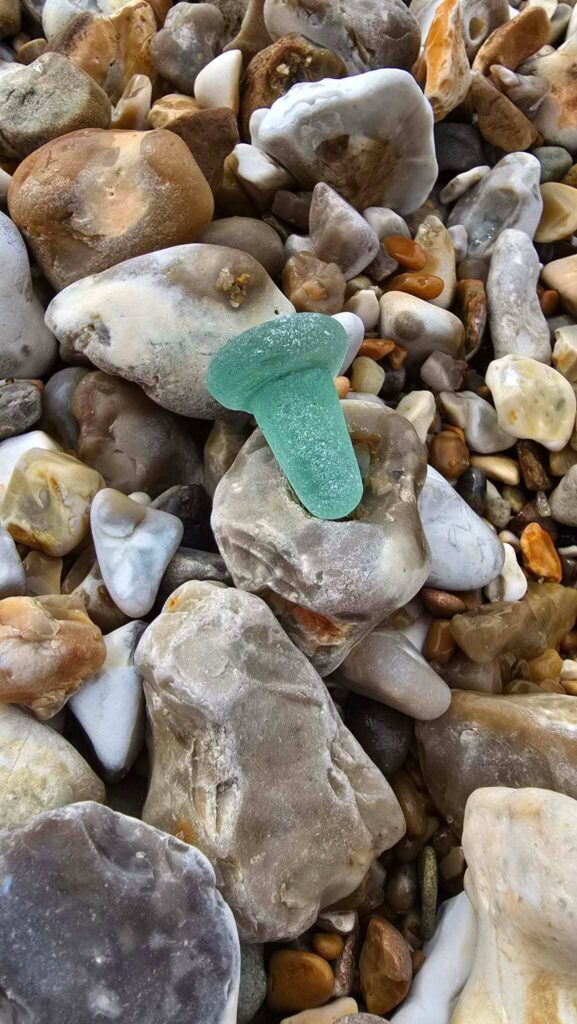
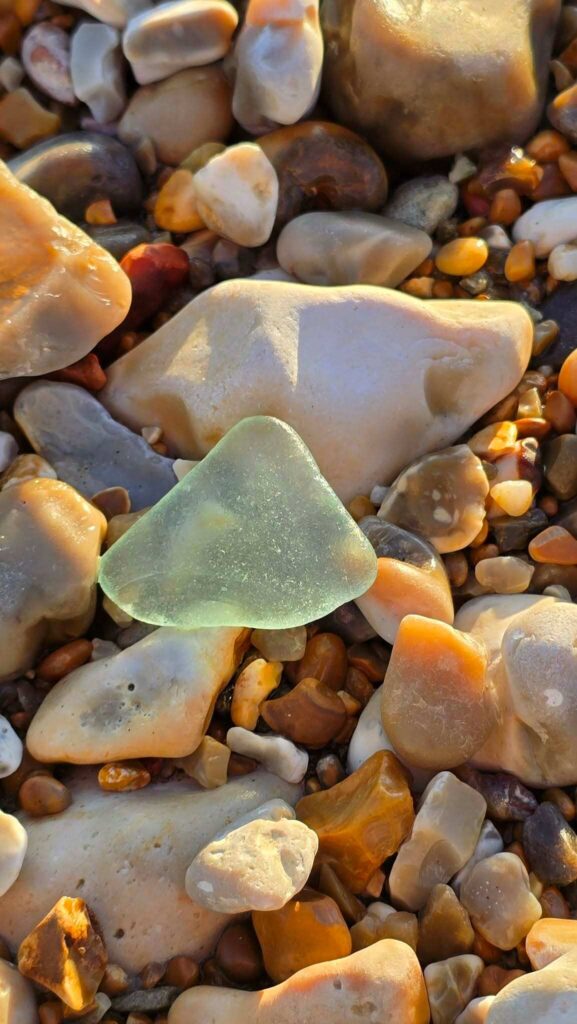
Have you ever found seaglass? If you’ve ever spent time beachcombing, I’d love to know what you’ve found. What’s the most unusual colour you’ve discovered? Have you ever found a particularly old or interesting piece? For me, the search will always be part of the fun. Because you never know what the next tide might leave behind.